
What Is the Difference Between Diverticulitis and IBS?
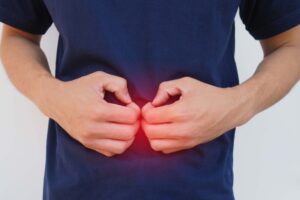 Diverticulitis and IBS can cause similar digestive symptoms, but they are different conditions. Diverticulitis involves inflammation or infection in small pouches of the colon and may require medical treatment, while IBS is a functional digestive disorder that affects how the intestines work without causing inflammation. Proper evaluation is important to determine the cause of symptoms and the best treatment approach.
Digestive discomfort can take many forms, from occasional bloating to persistent abdominal pain and changes in bowel habits. Two conditions that are often confused with each other are diverticulitis and irritable bowel syndrome (IBS). While both affect the digestive system and may cause similar symptoms, they are actually very different conditions with distinct causes, risks, and treatment approaches. Understanding the difference can help patients know when to seek medical care and what type of treatment may be appropriate.
What Is Diverticulitis?
Diverticulitis occurs when small pouches called diverticula develop in the wall of the colon and become inflamed or infected. The formation of these pouches is known as diverticulosis, which is quite common, particularly in adults over the age of 40. Many people with diverticulosis never experience symptoms.
However, when one or more of these pouches becomes irritated or infected, diverticulitis can develop. This condition often appears suddenly and may cause significant discomfort. Common symptoms of diverticulitis may include:
- Persistent abdominal pain, often in the lower left side of the abdomen
- Fever or chills
- Nausea or vomiting
- Constipation or diarrhea
- Abdominal tenderness or bloating
Diverticulitis can range from mild to severe. In more serious cases, complications such as abscesses, bowel obstruction, or perforation of the colon may occur. When these complications arise, specialized treatment — including possible surgical intervention — may be necessary. Patients experiencing complex or recurring cases may benefit from evaluation by specialists in colon and rectal surgery, who are trained to treat conditions affecting the lower digestive tract.
What Is Irritable Bowel Syndrome (IBS)?
Irritable bowel syndrome (IBS) is a functional gastrointestinal disorder, meaning it affects how the digestive system works rather than causing structural damage to the intestines. IBS is relatively common and can affect people of all ages.
Unlike diverticulitis, IBS does not involve inflammation or infection. Instead, it is thought to be related to factors such as abnormal muscle contractions in the intestines, increased sensitivity in the digestive tract, and interactions between the gut and nervous system. Symptoms of IBS often come and go and may include:
- Abdominal pain or cramping
- Bloating or gas
- Diarrhea, constipation, or alternating between the two
- Mucus in the stool
- Symptoms that improve after a bowel movement
While IBS can significantly affect daily comfort and quality of life, it should not cause permanent damage to the intestines and typically does not lead to serious complications.
Key Differences Between Diverticulitis and IBS
Although diverticulitis and IBS share some overlapping symptoms, there are several key differences between the two conditions.
First, diverticulitis involves inflammation or infection, while IBS is a functional disorder that affects how the intestines work. Diverticulitis occurs when diverticula in the colon become irritated or infected, whereas IBS does not involve structural changes in the digestive tract.
Second, diverticulitis symptoms often appear suddenly and may be severe. Patients frequently experience persistent abdominal pain along with fever or other signs of infection. IBS symptoms tend to develop gradually and fluctuate over time rather than appearing as an acute illness.
Third, treatment approaches are different. Diverticulitis may require antibiotics, dietary adjustments, or even surgery in certain cases. IBS is typically managed through lifestyle changes, stress management, medications that regulate bowel function, and identifying dietary triggers.
Finally, diverticulitis can lead to complications if left untreated, including abscesses, perforation of the colon, or intestinal blockage. IBS does not cause these types of complications.
Other Digestive Conditions That Can Cause Similar Symptoms
Abdominal discomfort and bowel changes can occur for many reasons, and not all symptoms point to diverticulitis or IBS. For example, conditions such as hemorrhoids may also cause digestive concerns. Hemorrhoids are swollen veins in the rectum or anus that can lead to symptoms like rectal pain, itching, or bleeding during bowel movements.
Although hemorrhoids affect the lower rectal area rather than the colon itself, they may sometimes occur alongside digestive disorders that cause constipation, straining, or irregular bowel habits. A proper medical evaluation is important to determine the true cause of symptoms.
When Should You See a Doctor?
If you are experiencing ongoing digestive symptoms, it is important not to ignore them, especially if the symptoms are severe or worsening. Signs that should prompt medical evaluation include:
- Persistent abdominal pain
- Fever or chills
- Blood in the stool
- Unexplained nausea or vomiting
- Sudden changes in bowel habits
These symptoms may indicate diverticulitis or another digestive condition that requires medical attention. Early diagnosis allows doctors to provide appropriate treatment and help prevent complications.
Everyday Habits That Can Support Better Digestive Health
Maintaining healthy digestive habits can play an important role in preventing or managing gastrointestinal conditions. Doctors often recommend eating a balanced diet that includes adequate fiber, staying well hydrated, and maintaining a regular exercise routine to keep the digestive system functioning properly. Managing stress can also be helpful, since digestive symptoms are often linked to the body’s stress response.
For individuals with diverticulosis, gradually increasing fiber intake may help support colon health and reduce pressure within the digestive tract. People with IBS may benefit from identifying foods that trigger symptoms and working with a healthcare provider to develop a personalized diet plan. In general, paying attention to ongoing digestive symptoms and seeking medical advice when concerns arise can help individuals protect their long-term gastrointestinal health.
Getting the Right Diagnosis
Although diverticulitis and IBS may share some symptoms, they are fundamentally different conditions. Determining the exact cause of digestive discomfort requires proper medical evaluation.
A healthcare provider can assess your symptoms, perform diagnostic testing if necessary, and recommend appropriate treatment. In some cases, particularly when complications or structural conditions are involved, specialists in colon and rectal care may be part of the treatment team.
Getting the right diagnosis is the first step toward finding relief and protecting your long-term digestive health. To schedule an appointment with our colon and rectal surgeons, please contact Suburban Surgical Care Specialists / Kane Center today.