
Medical vs. Surgical Weight Loss: When to Consider Each

- Medical weight loss (diet, exercise, behavioral support, medication) is typically the first step for those with a lower BMI and no major obesity-related health conditions.
- Bariatric surgery is generally considered for patients with a BMI of 40+, or 35+ with related health conditions, who haven’t achieved lasting results through non-surgical methods.
- Surgical options like sleeve gastrectomy, gastric bypass, and the duodenal switch each carry different benefits and risks, and a consultation helps determine the best fit.
- Surgeon experience and credentials, such as Bariatric Surgery Center of Excellence recognition, play a major role in safety and long-term outcomes.
Choosing the right path to lasting weight loss is rarely simple. For some people, a structured medical program with diet, exercise, and possibly medication is enough to reach their goals. For others, especially those carrying significant excess weight or managing obesity-related health conditions, surgical intervention may offer the most realistic route to long-term success. Understanding the differences between these two approaches, and knowing when each one makes sense, can help you make a more informed decision about your health.
What Is Medical Weight Loss?
Medical weight loss typically involves a physician-supervised plan that combines nutrition counseling, exercise guidance, behavioral therapy, and sometimes prescription medications. This approach works well for people who are overweight or in the earlier stages of obesity, particularly when there are no major weight-related health complications yet.
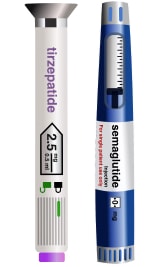
In recent years, weight loss injections like GLP-1 medications (such as semaglutide and tirzepatide) have become a popular addition to medical weight loss plans. These medications work by regulating appetite and blood sugar, and they’ve helped many patients achieve significant weight loss without surgery. However, they typically work best as part of a broader plan that includes diet, exercise, and ongoing medical supervision, and results can vary from person to person.
Medical weight loss is often the recommended first step before considering bariatric surgery procedures. It’s non-invasive, lower risk, and gives the body and mind time to adjust to healthier habits. For many patients, especially those with a lower BMI, this route can lead to meaningful, sustainable results without the need for an operating room.
The challenge is that medical weight loss, even with newer tools like GLP-1 medications, has limits. Metabolic adaptation, hormonal factors, and the realities of severe obesity can make it extremely difficult for some patients to lose and keep off significant weight through diet and exercise alone, no matter how disciplined they are. This is often the point where a conversation about surgery becomes worthwhile.
What Is Surgical Weight Loss?
Bariatric surgery refers to a group of procedures that alter the digestive system to support significant, sustained weight loss. These innovative surgical techniques have given many patients a second chance at a healthier life by helping them overcome obesity in ways that diet and exercise alone could not achieve.
Common procedures include vertical sleeve gastrectomy, Roux-en-Y gastric bypass, the duodenal switch, and the LAP-BAND® System. Each works differently. Sleeve gastrectomy removes a large portion of the stomach to limit food intake, gastric bypass reduces stomach size while rerouting digestion to limit calorie absorption, and the duodenal switch combines a sleeve with intestinal rerouting for patients with severe obesity. Many of these procedures are now performed laparoscopically or with robotic assistance, which can mean smaller incisions, less scarring, and faster recovery.
There are also non-surgical alternatives, like the ORBERA™ balloon system, for patients who aren’t ready for or aren’t candidates for surgery but need more support than diet and exercise alone can provide.
When Medical Weight Loss Makes Sense
Medical weight loss is generally a good fit when:
- You have a lower BMI without serious obesity-related health conditions
- You haven’t yet tried a structured, supervised approach to diet and lifestyle change
- You’re looking for a lower-risk starting point before considering more invasive options
- Your healthcare provider believes lifestyle and behavioral changes can realistically produce the results you need
This route requires real commitment, but it can be highly effective for the right candidate, and it carries fewer risks than surgery.
When Surgical Weight Loss Becomes the Better Option
Bariatric surgery tends to be the more appropriate option for individuals who have tried other weight loss methods without lasting success, or who are managing obesity-related conditions like type 2 diabetes, heart disease, high blood pressure, or sleep apnea. Generally, candidates have a BMI of 40 or higher, or a BMI of 35 or above paired with a related illness. Patients with type 2 diabetes may now qualify even with a BMI under 35.
Beyond the numbers, a strong candidate is someone ready to commit to permanent lifestyle change, including ongoing nutrition planning, exercise, and behavioral health support. This isn’t a quick fix. It’s a long-term partnership between patient and surgical team that continues well past the operating room.
A consultation with a board-certified bariatric surgeon is the best way to determine eligibility. During this visit, your medical history, eating behaviors, psychological readiness, and weight loss history are all reviewed to help determine whether surgery is the right next step for you.
Why Surgeon Experience Matters
If surgery is being considered, the skill and experience of your surgical team matter enormously. Suburban Surgical Care Specialists/Kane Center has been recognized by the American Society for Metabolic & Bariatric Surgery as a Bariatric Surgery Center of Excellence and is an affiliated provider for Blue Distinction+ in Bariatric Surgery. Our surgeons have performed over 10,000 weight loss procedures over more than 45 years in practice, currently completing over 400 surgeries each year using minimally invasive laparoscopic and robotic techniques, supported by a team that includes dietitians, exercise physiologists, and behavioral health specialists.
Making the Right Choice for You
There’s no universal answer to whether medical or surgical weight loss is the better path. It depends on your current health, your BMI, the conditions you’re managing, your history with previous weight loss attempts, and your personal readiness for change. The most reliable way to figure out where you stand is through a consultation with an experienced bariatric specialist who can walk you through your options honestly, without pressure, and help you build a plan suited to your specific goals and medical needs. Contact us today to get started.